How Edge Factor Connects Content and Code with Getint's Asana - Azure DevOps Integration
Client: Edge Factor
Industry: Education Technology (EdTech)
Location: Canada (Content & Operations), South Africa (Development)
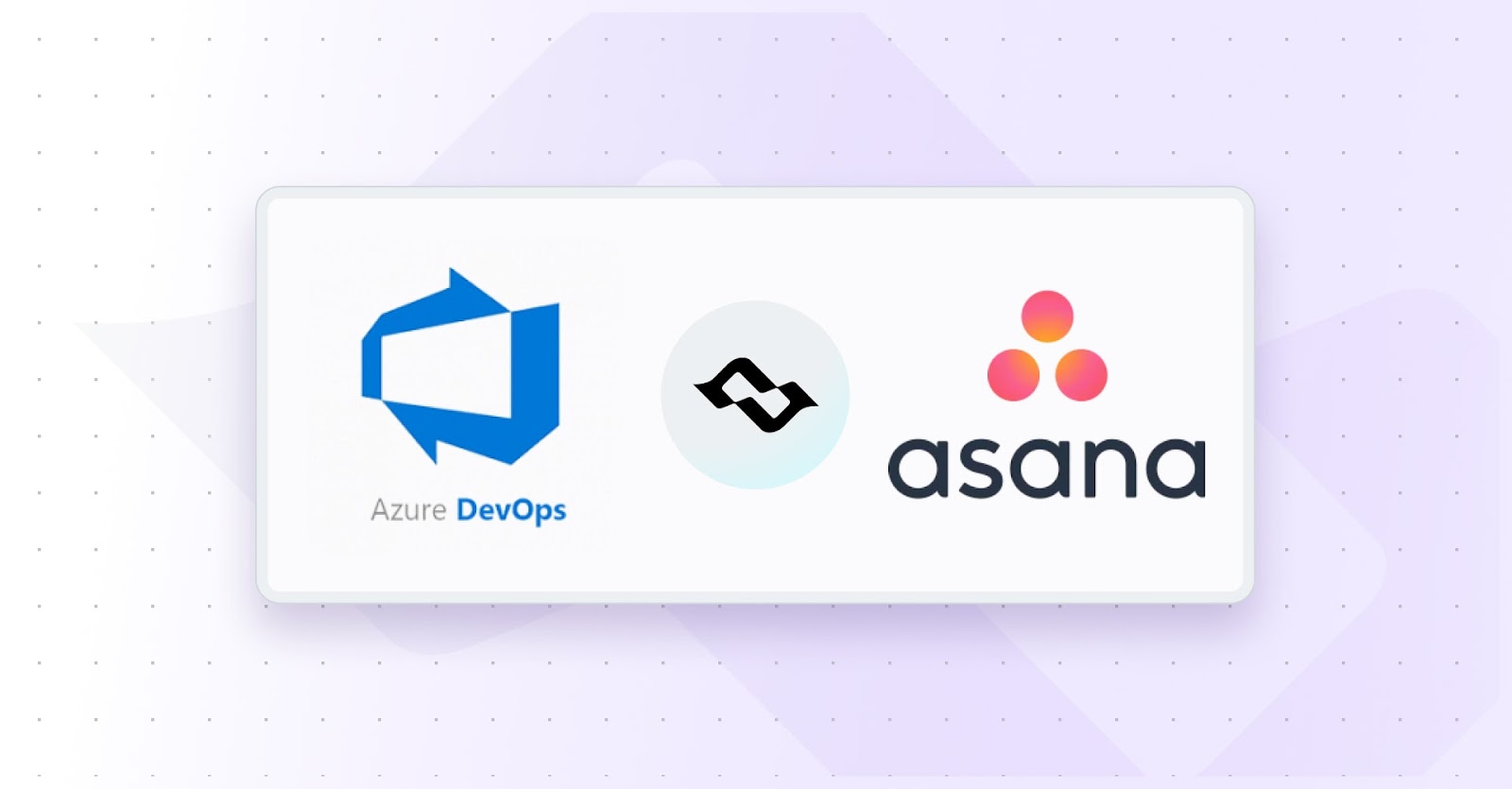
Integration: Asana ↔ Azure DevOps
Use Case: Syncing bugs, features, and backlog across two platforms
Key Contact: Nikki Baker, Head of Operations at Edge Factor
About Edge Factor
Edge Factor is a Canadian EdTech company that develops multimedia content to help students explore career pathways. Their platform is used by schools and educators to engage students in meaningful discussions about their futures.
While the company's content and marketing teams operate in Canada and rely heavily on Asana for project management, their offshore development team in South Africa uses Azure DevOps for software engineering and technical workflows.
Maintaining visibility and coordination between these two systems was a growing challenge - until they implemented Getint.
The Challenge
Edge Factor's teams were operating in silos. Developers worked in Azure DevOps, while content and operations lived in Asana. With no integration in place, Nikki Baker had to manually check DevOps for ticket updates and relay information to the rest of the team through email.
"It just became very onerous. My team would get lost in DevOps, and I had to constantly relay updates. It wasn't scalable."
Early attempts to find an integration tool failed:
- Some tools were too complicated or built strictly for developers.
- Others didn't support Azure DevOps at all.
- Most lacked the ability to handle nuanced workflows, like routing bugs in one direction and features in another.
Finding the Right Fit
Edge Factor discovered Getint after researching sync tools that could bridge Azure DevOps and Asana without requiring deep technical knowledge.
"I'm not a developer, but I'm fairly tech-savvy. A lot of the other tools were just too complex to maintain. Getint felt simple, clear, and powerful."
The setup was fast - initial syncs were working within minutes. The system's use of access tokens made authentication straightforward, and its user interface was intuitive enough for a non-technical operations lead to manage on her own.
The Integration Setup
Edge Factor now runs three distinct integrations using Getint, each tailored to different workflows:
- Bug Sync
- Direction: Asana to Azure DevOps
- Internal teams log bugs in Asana, which are pushed to DevOps for resolution.
- Feature Development Sync
- Direction: Azure DevOps to Asana
- Developers initiate feature requests in DevOps, which flow into Asana for visibility.
- Backlog Sync
- Direction: Bi-directional
- Ensures shared backlog tickets are visible and managed in both systems.
This structure allows both teams to remain in their preferred environments while still collaborating effectively across platforms.
A Better Support Experience
Nikki worked closely with Alex from Getint, who not only provided onboarding support but also helped troubleshoot and improve the product along the way.
"Your support is excellent. You even jumped on calls, looked at our formatter issues, and actually fixed them. I've worked with other vendors who took days to respond - this was the opposite."
Visibility and Control
One of the most appreciated features was the ability to monitor sync runs, check logs, and diagnose issues independently.
"With other tools, if something failed, I couldn't see it. With Getint, I can dig into the logs, identify problems, and even fix some things on my own. That transparency is a huge plus."
Results
Since implementing Getint, Edge Factor has seen improvements across several fronts:
- Reduced manual work: No more duplicating updates across tools
- Improved cross-team visibility: Everyone stays aligned without switching platforms
- Custom sync logic: Different rules for bugs vs. features ensure relevant context is preserved
- Non-technical ownership: Operations manages integrations without developer dependency
- Faster issue resolution: Log access and responsive support enable quick fixes
"Now each team works where they're comfortable, but the collaboration flows smoothly. It's made a big difference in how we operate."
Final Thoughts
By using Getint to bridge Azure DevOps and Asana, Edge Factor eliminated operational inefficiencies, improved team collaboration, and kept everyone working in their preferred tools.

Asana – Azure DevOps Integration: FAQs
Why would a company integrate Asana with Azure DevOps?
Many companies use Asana for project or content management and Azure DevOps for development work. Integration helps bridge the gap between non-technical and technical teams, ensuring issues like bugs or feature requests are tracked across both systems without duplicate manual effort.
How long does it take to set up a sync between Asana and Azure DevOps?
Initial setup can be done in minutes. The learning curve involves understanding mapping logic and how each platform structures data, but the actual technical connection (via access tokens) is very quick.
Teams looking to bridge their development and project management workflows can benefit from a dedicated Jira Azure DevOps integration that synchronizes issues, work items, and statuses automatically. Getint's Jira-Azure DevOps connector supports bidirectional sync with field mapping, filters, and no-code setup.